
Moisture absorber vs dehumidifier: What shippers and warehouses should use

The comparison of moisture absorber vs dehumidifier appears simple, yet it is one of the most frequently misunderstood decisions in logistics and storage. Many cargo and warehouse managers assume the two technologies are interchangeable, when in reality each is suited to a distinct set of conditions. Choosing incorrectly can lead to unnecessary energy costs, ongoing […]
The cardboard exemption and what it means for moisture
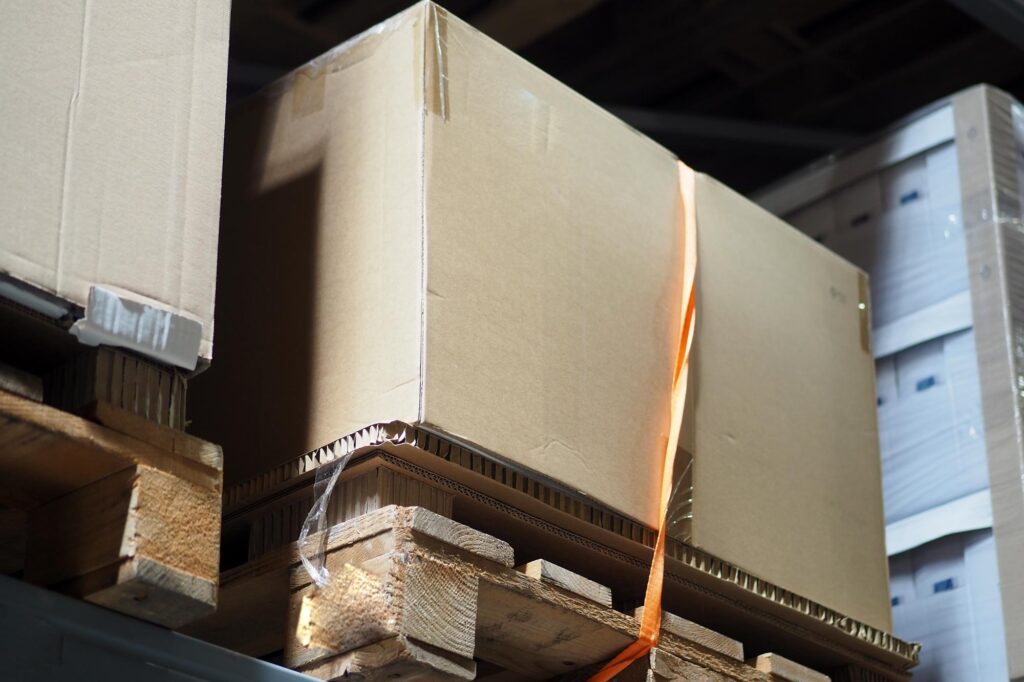
The EU Packaging and Packaging Waste Regulation (PPWR) is reshaping how transport packaging is designed, used, and discarded across the European Union. Among its most consequential provisions is Article 29, which establishes binding reuse targets for transport packaging. Yet one widely used format sits outside these obligations: the humble cardboard box. For logistics and packaging […]
Beverage cargo protection: preventing mould, soft cartons, and moisture damage in global shipping

Global beverage trade depends on long ocean voyages, multi-modal handovers, and storage windows that expose every shipment to fluctuating climates. While the liquid inside the bottle or can is sealed, the outer packaging, labels, bottle caps, and secondary cartons remain vulnerable to condensation events inside shipping containers. According to the Distilled Spirits Council, even modest […]
What packaging teams should watch as PPWR develops

Key takeaways PPWR entered into force 11 Feb 2025 with most provisions applying from 12 Aug 2026 The regulation is a framework — day-to-day compliance details depend on delegated acts still to come Key milestones expected through 2026-2028: labelling pictograms, substances of concern, reuse targets, design-for-recyclability Early preparation, rather than waiting for full clarity, is […]
Choosing the right container desiccant: calcium chloride or silica gel?
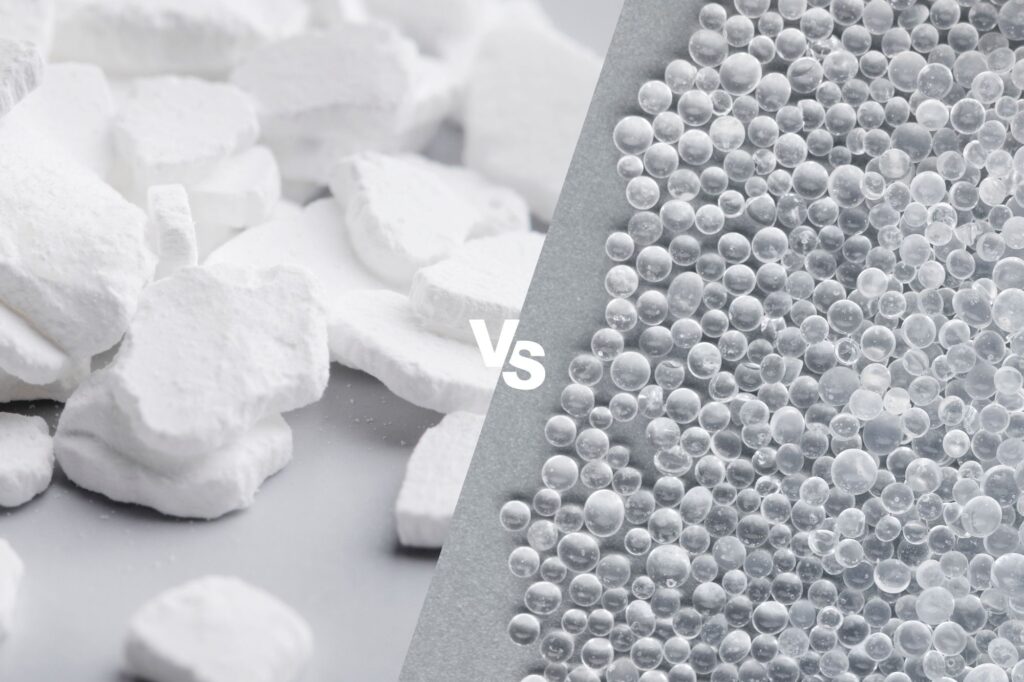
Key takeaways Silica gel is the default choice but often underperforms in long-haul ocean freight Three chemistries dominate container shipping: silica gel, clay (bentonite), calcium chloride Calcium chloride outperforms in high-humidity long-transit scenarios through true absorption Cargo type, transit route, and climate zones determine which chemistry fits Most shippers default to silica gel. It is […]
How packaging redesign may affect protection performance

Key takeaways PPWR compliance rarely involves a single material change – it’s a system-level transformation Recycled content, mono-materials, thinner walls, and reusable formats each affect moisture protection differently Compounding effects mean packaging behaviour cannot be predicted from evaluating components alone Treat packaging redesign as an engineering systems exercise, not a sequence of isolated swaps As […]
Rethinking packaging: What happens when companies switch from plastic to fibre-based or wood alternatives

Key takeaways PPWR is driving European companies to replace plastic with fibre-based or wood packaging Common substitutions: plastic boxes → cardboard; plastic pallets → wood; multi-layer films → mono-material Fibre and wood are hygroscopic, absorbing and releasing moisture unlike plastic Well-meaning material switches can introduce new moisture risks without a prevention strategy Across Europe, packaging […]
How to stop mould ruining your agricultural shipment: a practical guide

Key takeaways Moisture damage costs agricultural exporters far more than the value of a single rejected shipment Container rain, hygroscopic behavior, and route variability all compound the risk Prevention-led strategies with desiccants reduce claims exposure and protect long-term buyer relationships Common commodities at risk: coffee, cocoa, grains, nuts, seeds Moisture remains one of the most […]
How to prevent mould in shipping containers during monsoon season

Mould inside a shipping container is rarely a contamination event. It is the visible outcome of uncontrolled humidity, a symptom of moisture conditions that were permitted to develop during loading and transit. For exporters operating through monsoon season, the consequences extend well beyond surface staining: rejected shipments, insurance claims, and reputational damage with downstream buyers. […]
The hidden cost of moisture damage: why smarter cargo protection matters

Moisture damage continues to erode margins across global supply chains, generating costly cargo claims, spoiled inventory, and reputational risk for shippers in moisture-sensitive sectors. According to the IUMI Stats Report 2025, cargo losses remain a persistent concern for marine underwriters, with humidity-related damage among the leading contributors. Treating moisture protection as a commodity purchase often […]
Avoid these 7 costly container moisture mistakes before the next monsoon shipment

Every year, container rain and condensation in container transport silently compromise shipments worth millions, leaving exporters with rejected cargo, insurance disputes, and damaged buyer relationships. Despite the abundance of prevention guides, claims persist because the same container moisture mistakes exporters make continue to surface across industries. With global maritime trade slowing to projected growth of […]
Monsoon-proof your cargo: How to calculate desiccant shipping container requirements the right way

Moisture damage remains among the most persistent and costly risks in global container shipping. Cargo claims attributable to condensation, widely referred to as container rain, continue to affect shippers of food, electronics, automotive components, leather goods, and pharmaceuticals. Logistics professionals routinely pose a straightforward question: what quantity of desiccant does a shipping container genuinely require? […]
Why packaging minimisation could increase moisture risk
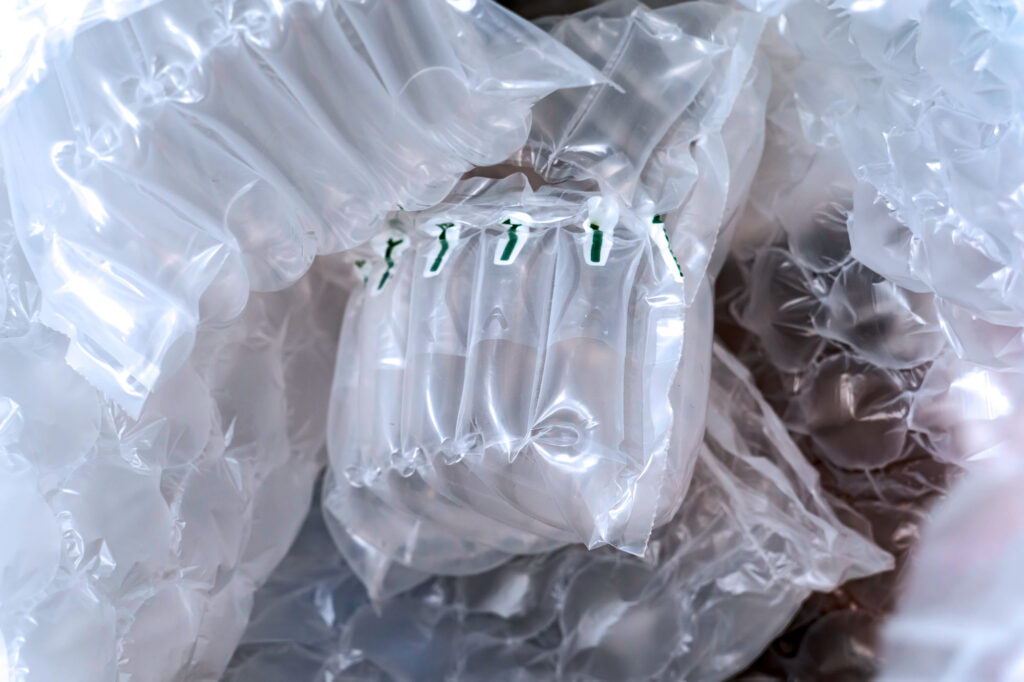
The European Union’s Packaging and Packaging Waste Regulation (PPWR) is reshaping how products are designed, shipped, and protected across the single market. Much of the public discussion has focused on recyclability targets and recycled content thresholds, yet two provisions, Articles 10 and 24, deserve closer attention from packaging designers and supply chain teams. Both push […]
Protect your cargo this monsoon season: Understanding the 5 moisture threats that cause container damage

The monsoon moisture multiplier: why May to September demands a different approach Each year, approximately 250 million containers are transported globally, with a significant proportion traversing monsoon-affected corridors across the Indian Ocean, Southeast Asia, transpacific lanes, and the Asia-to-Europe route via the Suez Canal. The May-to-September monsoon window is not simply a period of increased […]
What does PPWR mean for companies working with moisture-sensitive products and packaging?

The European Union’s packaging landscape is entering a new phase. With the adoption of EU Regulation 2025/40, commonly referred to as the PPWR (Packaging and Packaging Waste Regulation), the existing Packaging and Packaging Waste Directive will be superseded by a directly applicable framework. For organisations engaged in transport and industrial packaging, this transition introduces a […]
Protecting your assets from moisture damage: leveraging AbsorTest’s proven POMM methodology

The real cost of reactive moisture management Moisture damage represents one of the most persistent and financially significant risks in global supply chains. According to Absortech’s analysis of moisture damage costs, the financial impact extends far beyond the immediate loss of goods, encompassing insurance claims, customer disputes, brand erosion, and the operational disruption of managing […]
Why corrosion prevention is a critical cost and quality issue in automotive supply chains

Corrosion-related damage to automotive components during transit and storage represents one of the most significant and frequently underestimated sources of supply chain loss in the industry. From stamped metal panels and precision-machined engine components to electrical connectors and assembled modules, virtually every category of automotive part is vulnerable to humidity-driven degradation when packaging strategies are […]
Container desiccant performance: climate chamber results compared to real container conditions

Climate chamber data has long been used as the benchmark for comparing desiccants, however these controlled conditions do not represent the complex and constantly changing environment that goods experience inside a real shipping container. Inside a container, air warms and expands during the day, then cools and contracts at night, which allows humid air to […]
Moisture damage in global shipping: a comprehensive guide to effective and sustainable prevention

Key takeaways Ocean containers create one of the toughest humidity environments in global logistics: 30-60 day transit, no intervention possible Container rain forms when warm humid air meets cool steel surfaces during dew point cycles Calcium chloride absorption outperforms clay/silica gel adsorption in high-humidity long-transit conditions Traditional desiccants (clay, silica gel) were designed for controlled […]
Which is the best desiccant for shipping containers?
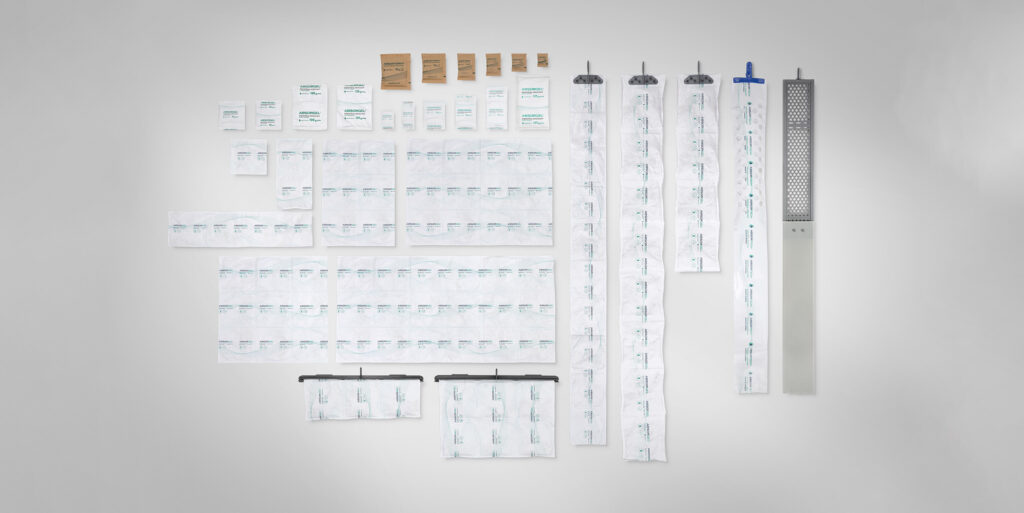
A practical guide to choosing the right moisture protection for your cargo, based on container set-up, cargo type, and real-world shipping conditions. Moisture damage remains one of the most persistent challenges in global container shipping. Whether you’re responsible for electronics, food products, machinery, or textiles, uncontrolled humidity can lead to corrosion, mold growth, packaging collapse, […]
Collapsed packaging: why it’s a problem and why it might be about to get worse

Corrugated packaging and boxes are designed to help securely load shipments and protect goods. However, high humidity is a constant risk with moisture weakening paper-based fibers and the resulting strength of a box. The traditional response? Use more and heavier-duty materials to reinforce boxes – or start adding waterproof plastic into the mix. But what’s […]
Seal the container vents — and stay in control

Should a shipping container be well ventilated to minimize moisture damage and prevent mould and mildew or corrosion to metal goods? Most people would automatically say yes. We’ve all been in a musty, smelly room or basement that you need to air out. So, it’s just common sense, right? But, when you’re looking to protect […]
New routes mean new challenges — but a simple solution

The shipping industry and its customers have been having a hard time in recent years. It’s been one thing after another — from container shortages and supply chain challenges due to the Covid-19 pandemic to rising fuel prices, shifts in trade and demand patterns and stricter environmental regulations. But if that wasn’t enough, shipping now […]
Don’t Mask the Issue: What You Need to Know about VCI and Protecting against Corrosion

Corrosion. Shiver. As one of the biggest threats to your metal components and products, it can cause billions of dollars of damage yearly. Wrapping them in VCI might seem like a tried and tested method, but the risk of corrosion is high if they’re not adequately protected. So stick around while we unpack some of […]
Is the cargo choking your desiccants?

Desiccants for shipping containers are a simple and effective way to keep your cargo dry. But bad choices can lead to inferior moisture damage prevention. But don’t worry! This blog post explains the basics of selecting the container desiccant that fits your needs. If you’re a manufacturer, you’re continually faced with moving your cargo along […]
How much desiccant do you need to protect your goods from moisture damage?

When you’re looking to protect your goods from moisture damage, working out how much desiccant you need is a tricky business. Mostly because there are no short cuts and no simple formula where you input a few numbers and then get a definitive answer. There are just too many variables. Plus, theoretical performance rarely matches […]
How healthy is your cargo?

The moisture damage doctor will see you now. Medical professionals know that prevention is better than cure. Yes, they have the fancy technology and expensive pharmaceuticals to successfully treat many illnesses and diseases. But it’s still much, much better to prevent the illness in the first place and keep people healthy. That’s why giving people […]
Will a sealed plastic bag protect my goods from moisture damage?

Yes. No. Um… maybe? Sorry! Life is complex enough and we would love to give you a simple answer so we can all move on. But if you ship goods in plastic you need to hang around for a couple of minutes as we break down what you need to know to address the […]
Moisture damage 101 – What is container rain?

Article updated: 2025-07-03 Moisture damage 101 introduces beginners to the basics and how to get them right. In the second of our beginner’s guides to the world of moisture prevention, we take a look at container rain. What is it and why don’t they just keep the roof closed? The first thing to say about […]
Moisture damage 101 – What is moisture damage?

Article updated: 2025-07-03 Causes, risks and moisture damage prevention in cargo shipping In the first of several of guides, we lift the lid on the world of moisture prevention. Moisture 101 introduces beginners to the basics and how to get them right. But we hope it’s also a helpful refresher for those of you with […]
How to choose the right desiccant – and always stay protected from moisture damage

When it comes to protecting your goods from moisture damage, there’s no one-size-fits-all solution. But the right approach will certainly help you ask the right questions and bring you to choose the right desiccant and moisture prevention solution. Key factors to consider when choosing the right desiccant The right approach for protecting yourself and your […]
The easiest way to save money on moisture protection? Buy less.

Moisture protection is like detergent: less is more. Read why.
Horizontal vs. vertical desiccants

Nowadays, horizontal desiccants often perform better than vertical. Let’s understand why.
Container breathing? It’s time to go back to school

Physics at school: you either loved it, hated it… That all changes today.
Silica gel desiccants for moisture absorption: things you need to know

They’re so common that few notice them. Bags filled with a few grams of silica gel are used for moisture protection in everything from shoe boxes to packaging for electronics. The popularity of silica gel desiccants has led to few people stopping to analyze if there aren’t superior alternatives for protecting their company’s products. If […]
Characteristics of sustainable desiccants

In our previous Insight ’A clear view of sustainable logistics and the way to achieve it’, we mentioned that for many companies, the direction of logistics and supply chain development is driven by sustainability. We also introduced the importance of choosing sustainable suppliers in order to relieve stress on the environment. As moisture absorber -desiccant- supplier to […]
A clear view of sustainable logistics and the way to achieve it

Sustainable logistics are fundamental in the new economic development.
Reasons to choose an ISO certified desiccant supplier

There will always be room for error in a complex world. But there are measures a company can take to limit the risk of costly mistakes. The first step is to establish a management system that includes processes for how things are done. The goal here is to find a common way to work and […]
Grain down the drain

Huge sums are lost annually due to grain damaged by moisture during transportation. In addition to the direct costs of these damages, the claims they lead to are lengthy and costly. As food loss is already a public concern and a target for the United Nations Sustainable Development Goals (Target 12.3), this is a pressing […]
Impact of the PFAS regulation in the garment industry

In this insight article, we will take a close look at PFAS and how regulation of them affects the garment industry. PFAS are a form of DWR coating, which is short for Durable Water Repellent. DWR’s are used to make clothing water and oil resistant. They’re commonly used for outdoor clothes and sportswear and vital […]
Benefits of exchanging silica gel for AbsorGel®

What are the benefits of exchanging silica gel for AbsorGel® calcium chloride desiccants? The most important difference between both desiccants is their absorption capacity. Silica gel is a form of silica that can typically hold 25% of its weight in water. On the other hand, the mix AbsorGel® can hold up to 250-300% of its […]
Moisture protection for hygroscopic materials during transport

Packaging is often made from hygroscopic materials, which means…
Comparing desiccants: Absorption rate isn’t everything

The absorption rate isn’t the only thing to take into account.
Desiccants should be tested in real-life conditions

Why testing the performance of desiccants in real-life conditions.
A guide to test the performance of different desiccants

How to test different desiccants to collect objective and fact-based data.
What the lockdown consequences teach us about moisture damage

During the atypical situation we are living in, many freight…
FCC Guidelines compliance for shipping cocoa beans
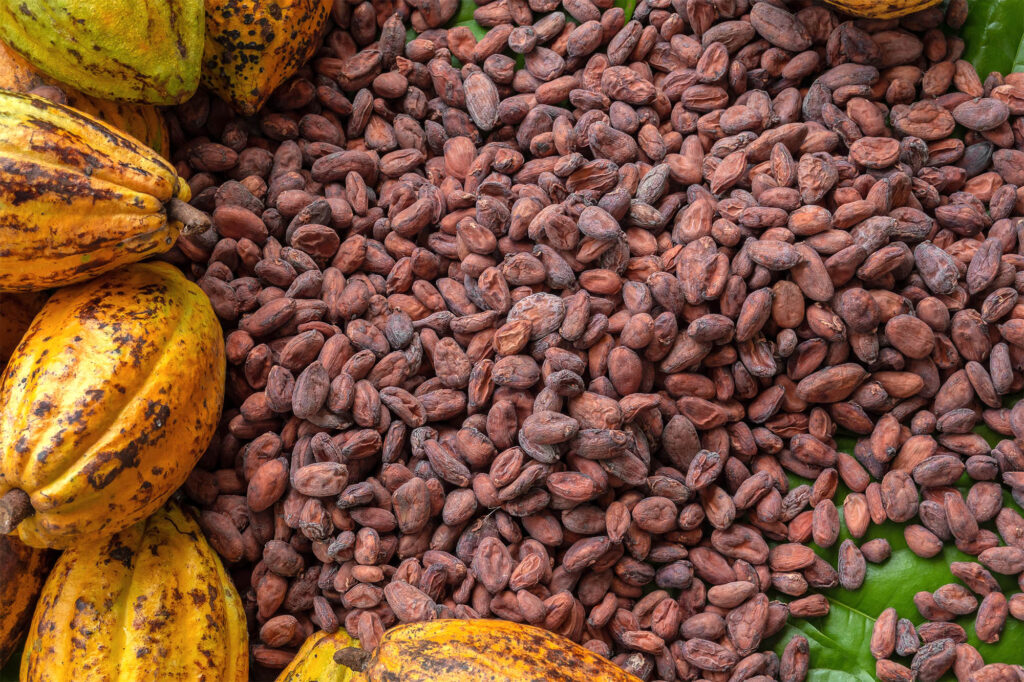
Absortech desiccants are FCC guidelines compliance for shipping…