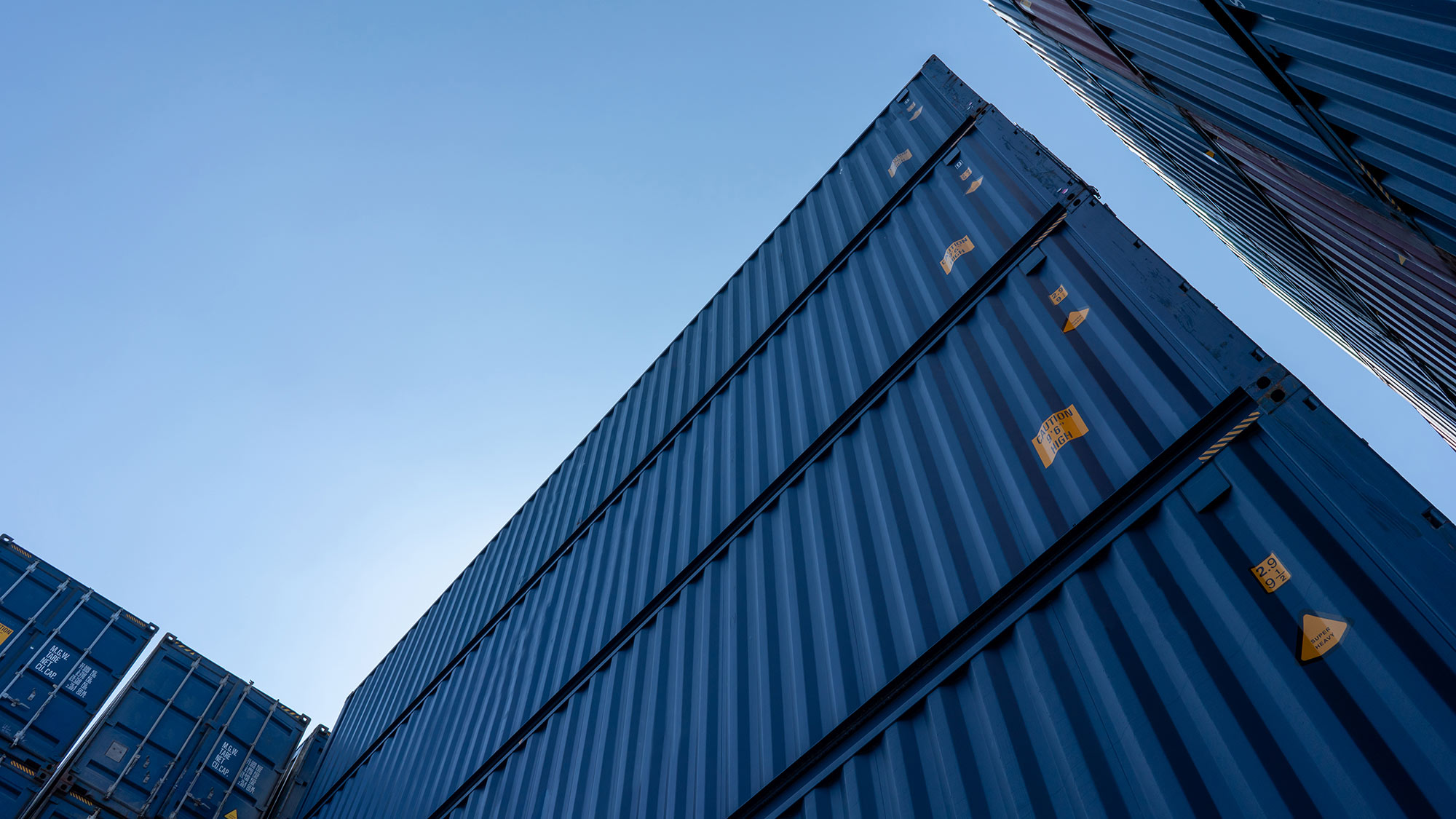
Moisture damage remains among the most persistent and costly risks in global container shipping. Cargo claims attributable to condensation, widely referred to as container rain, continue to affect shippers of food, electronics, automotive components, leather goods, and pharmaceuticals.
Logistics professionals routinely pose a straightforward question: what quantity of desiccant does a shipping container genuinely require? The answer is seldom a single figure.
This article examines 5 main variables that determine moisture risk and introduces a data-driven alternative to estimation that supports proactive risk management.
Why a single rule of thumb is insufficient
Industry shorthand frequently proposes 4 to 6 kilograms of desiccant for a 20ft container and 8 to 12 kilograms for a 40ft container. Such benchmarks appear across numerous online calculators and packaging references. While these figures may serve as a point of departure, they presuppose standardised cargo, standardised routes, and standardised climatic conditions, none of which are representative of actual supply chains.
Average values misrepresent risk because they disregard the physical realities of the voyage: the hygroscopic nature of the load, the dew point variations between origin and destination, and the humidity sealed within the container at the moment of loading. A comprehensive prevention strategy demands tailored protection rather than generic figures. The calculation must reflect the precise conditions to which the cargo will be exposed.
The 5 main variables that determine the outcome
Accurate dimensioning is contingent upon the interaction of the following variables. Each influences the moisture load that the desiccant must absorb, and each must be evaluated before a quantity is specified.
Container volume
Internal cubic capacity differs across 20ft, 40ft, 40ft high cube, and reefer containers. A standard 40ft container offers approximately 67 m³ of sealed airspace, with every litre carrying water vapour that must be managed. Loading utilisation also matters: the proportion of free airspace remaining after cargo is loaded affects container breathing and the volume of air available to exchange moisture. Loading utilisation also matters: the proportion of free airspace remaining after cargo is loaded affects container breathing and the volume of air available to exchange moisture.
Cargo type and sensitivity
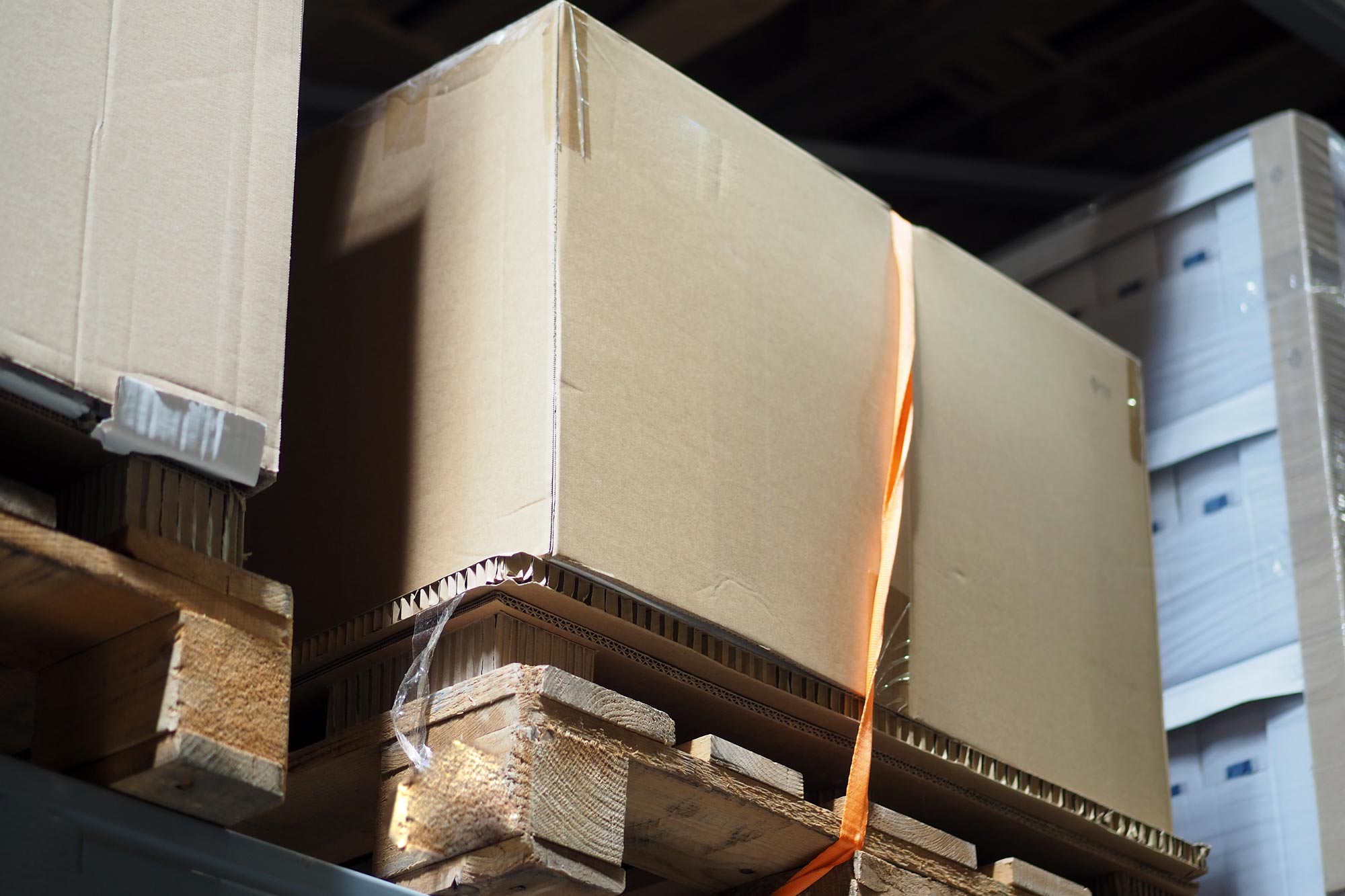
Hygroscopic goods such as coffee, cocoa, textiles, paper, and leather release and absorb moisture with relative ease. Packaging materials, including wooden pallets and cardboard, contribute additional water content that shapes the internal humidity profile.
Voyage duration
A short regional transit of several days presents a markedly different risk profile than a multi-week intercontinental route. Extended voyages subject the container to a greater number of daily temperature cycles, each capable of initiating condensation events. Longer voyages also typically pass through multiple climate zones, compounding the thermal stress on cargo. Longer voyages also typically pass through multiple climate zones, compounding the thermal stress on cargo.
Expected temperature differentials
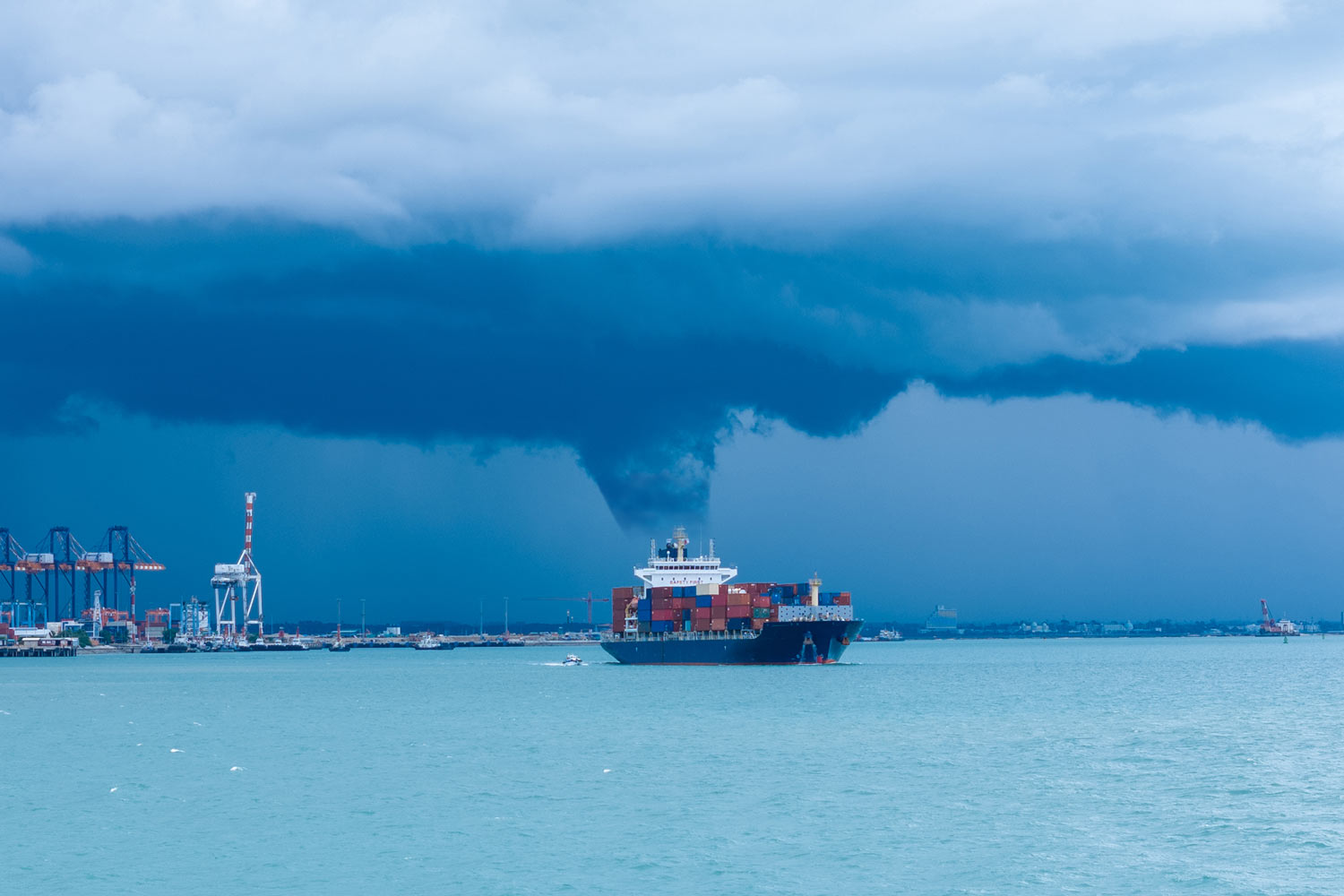
Dew point shifts across climatic zones constitute the principal trigger of container rain. Cargo transported from tropical origins to temperate destinations traverses substantial thermal gradients that elevate the risk of condensation.
Climate at loading
Relative humidity and temperature at the port of origin determine the moisture load sealed inside the container at the moment the doors are closed. The climate at loading also typically reflects the conditions under which goods and packaging materials have been stored prior to shipment; this greatly affects the moisture content within the cargo itself, not only the air sealed into the container. Loading during the monsoon season in Southeast Asia establishes a markedly different initial condition than loading within a dry inland climate.
Why desiccant type alters the requirement
The selection between silica gel and calcium chloride based desiccants fundamentally alters the quantity required. Silica gel typically adsorbs approximately 40% of its own weight, and its capacity diminishes as saturation is approached.
Calcium chloride based precision-engineered desiccants, by contrast, are capable of absorbing up to 300% of their weight, with capacity that expands over time as the salt deliquesces. For dimensioning purposes, however, a conservative figure of approximately 150% is typically applied to ensure safe conditions throughout the voyage.
| Property | Silica gel | Calcium chloride |
|---|---|---|
| Absorption capacity | Circa 40% of weight | Up to 300% of weight |
| Capacity curve | Decreases near saturation | Increases over time |
| Best-fit voyages | Short, low humidity | Long, high humidity |
The practical implication is clear: the same container, the same route, and the same cargo may require markedly different quantities depending upon the chemistry selected. For extended voyages and high-humidity routes, calcium chloride based solutions deliver the long-term reliability that hygroscopic cargo demands.
The selection of a desiccant is therefore a performance decision rather than a commodity decision.
A more informed approach: data-driven container analysis
Given the number of interacting variables, any static formula risks oversimplifying a fundamentally multi-factor problem. Actual containers are exposed to actual conditions that may be measured directly, and direct measurement provides a far more reliable basis for specification than estimation.
Absortech has developed AbsorTest as a structured implementation process that captures in-container humidity and temperature data across live voyages. Data loggers installed within representative shipments record the complete thermal and moisture profile, thereby substituting evidence for assumption.
The outcome is a tailored protection plan calibrated to the specific trade lane, cargo, and season. This approach advances sustainable solutions by reducing waste arising from over-dosing while mitigating the moisture impact associated with under-dosing. It transforms desiccant specification from an estimate into a documented engineering decision, thereby enhancing product quality upon arrival and reducing exposure to cargo claims.
From estimation to field evidence
Calculating desiccant requirements for a shipping container demands greater rigour than any static rule of thumb can provide. The 5 main variables, in combination with the appropriate desiccant chemistry and validated field data, yield a defensible specification grounded in voyage reality. For shippers handling moisture-sensitive cargo across demanding routes, expert guidance and evidence-based dimensioning represent the most reliable path to cargo integrity.
Request an AbsorTest consultation to obtain data-driven, tailored moisture protection for specific trade lanes. Absortech specialists translate voyage data into a comprehensive prevention strategy built upon precision-engineered desiccants and long-term reliability.