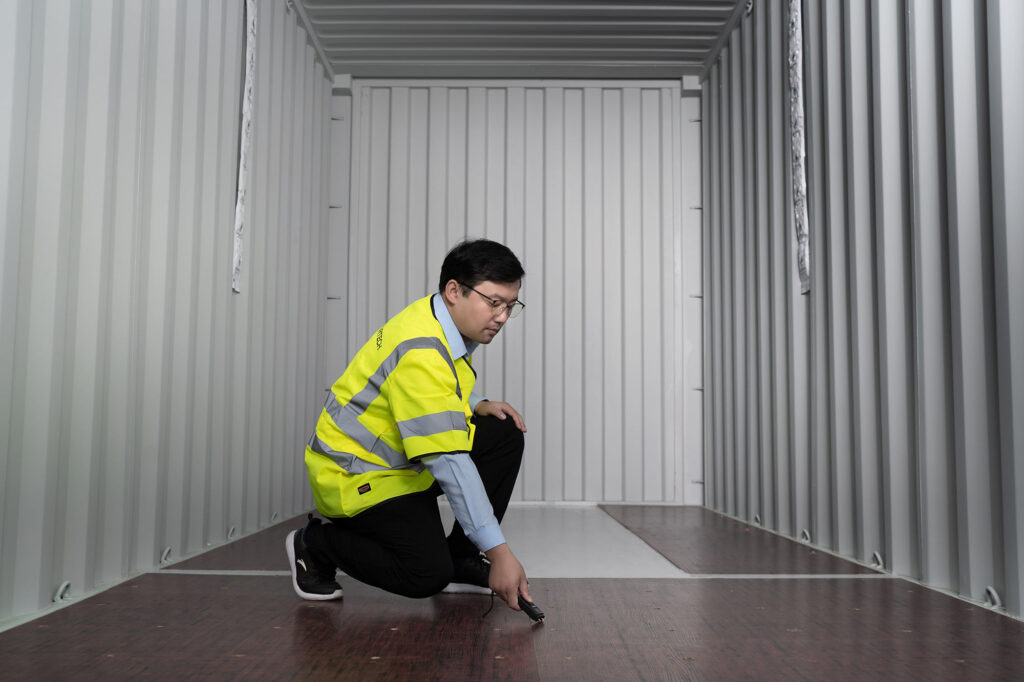
Damage & prevention Moisture damage risk Type of moisture damage Container Rain Moisture damage costs Why calcium chloride Our prevention process Peace of Moisture Mind AbsorTest Industries we protect Sustainability by prevention Products All Products Container Desiccants for Shipping & Cargo Absorpole Absorbag AbsorGel Hanging AbsorGel Blanket AbsorGel Max & Compact AbsorGel Sheet In-box desiccants AbsorGel Pouches AbsorGel Sheet AbsorTerra Accessories Packaging Talk to an expert Insights Moisture Magazine FAQ Webinars Sustainability Sustainability for Clients Sustainability at Absortech About Our company Our organization R&D Quality and production Our people Find an Absortech contact Transparency & Accountability News Contact Language Five resources. One download. Full monsoon protection. Used by exporters shipping during monsoon season across Asia, Africa, and America. MONSOON CHECKLIST Existing asset — repackaged DESICCANT SIZING GUIDE How much product per container type MOISTURE RISK FRAMEWORK Self-assessment: route, cargo, transit DAMAGE CASE EXAMPLE Real-world scenario with outcome PLACEMENT BEST PRACTICES Where and how to install desiccants Why monsoon shipments cause moisture damage During monsoon season, containers are exposed to extreme humidity and rapid temperature changes. The result is container rain — condensation that forms inside the container and drips directly onto your cargo. Mould, corrosion, and packaging damage can occur even when cargo is carefully packed and protected with VCI or RP oils. Understanding why this happens is the first step to preventing it. Container rain Warm, humid monsoon air enters the container during loading. As the ship moves through cooler conditions at sea, the air inside cools rapidly, causing moisture to condense on the steel walls and ceiling. That condensation drips onto cargo — regardless of how well it was packed. Temperature swings Routes from South and Southeast Asia to Europe or North America cross multiple climate zones. Every temperature shift cycles the dew point inside the container, accelerating moisture absorption in pallets, cardboard, and cargo materials. Long sea transit conditions Most Asia-to-Europe and Asia-to-Americas routes take 3–6 weeks at sea. That is enough time for sustained high humidity to cause irreversible mold growth, metal corrosion, and packaging failure — even in sealed containers. Three steps to protect your container cargo this monsoon season Whether you are already using desiccants or just starting to think about moisture protection, these three steps form the foundation of effective cargo preparation. STEP 1 Container inspection Before loading, inspect the container for holes, rust spots, damaged door seals, and floor moisture. A leaking container cannot be fixed with desiccants alone. This step is in the checklist. STEP 2 Cargo preparation Use kiln-dried or moisture-safe pallets, seal packaging correctly, and allow cold-stored cargo to acclimatise before loading. Moisture inside packaging is just as dangerous as condensation on the container walls. STEP 3 Desiccant installation Place desiccants based on container size, cargo type, and route. Correct placement is as important as the quantity used. The kit includes an illustrated placement guide and a sizing calculator. Download the Monsoon Container Protection Kit 5 resources. Instant download. Used by exporters shipping during monsoon season across Asia, Africa and America. Why trust Absortech? With over 25 years focused exclusively on moisture damage prevention, Absortech is a global leader in cargo protection. We have helped companies across industries safeguard their goods from the costly effects of extreme conditions — especially during the monsoon season. 25+ YEARS EXPERIENCE Moisture prevention only Absortech’s sole focus is moisture damage prevention. Unlike general logistics suppliers, we have built our entire product range, testing methodology, and knowledge base around this single problem. ABSORTEST PROGRAMME Real-world container testing Our AbsorTest programme places data loggers and desiccants in real containers on real routes to measure humidity and temperature over entire voyages. The data informs our sizing and placement recommendations. GLOBAL REACH Local expertise, worldwide With teams and partners across Asia-Pacific, Europe, and the Americas, we support customers at origin and destination — not just from a catalogue. Download the Monsoon Container Protection Kit — FREE What is container rain? AbsorTest: how we test in real containers